
Money Month · August 2026
Plan ahead.
Stay in control.
A dementia | mate wareware diagnosis can bring questions about legal arrangements, money and future decisions.
This Money Month, take time to understand what you may want to consider and find the people and information that can help.

Planning can begin with one step
You don’t need to organise everything at once.
You might begin by checking whether your will is up to date, learning about Enduring Powers of Attorney, reviewing how your finances are organised, or talking with someone you trust about your future wishes.
Starting these conversations early gives you more time to consider your options and seek advice that reflects your circumstances.
Enduring Powers of Attorney
An Enduring Power of Attorney, often called an EPOA or EPA, is a legal document that allows you to choose who can make certain decisions for you if you are unable to make them yourself.
There are two types:
- An EPOA for property, which can cover money, property and other assets
- An EPOA for personal care and welfare, which can cover decisions about your health, care and where you live.
Setting up an EPOA involves legal decisions. A lawyer, qualified legal executive or representative of a trustee corporation can explain the options and help you prepare the documents.
Review your will
A will records what you want to happen to your property, money and possessions after your death.
You may already have a will. Consider whether it still reflects your wishes and whether the people close to you know where it is held.
Speak with a lawyer if you want to make a will, update an existing will or understand how your circumstances may affect your options.
Organise your financial information
You may want to review how your financial information is organised and whether the people you trust know where to find essential documents.
Things you could discuss with an appropriate professional include:
- Bank accounts and regular payments
- Investments and retirement savings
- Insurance
- Mortgages, loans or other financial commitments
- Trusts or business interests
- Support with budgeting or financial hardship.
Your circumstances are personal. A qualified financial adviser, financial mentor, accountant, lawyer or other professional can help you understand the options relevant to you.
Managing money when living with dementia
Changes in memory, planning or decision-making can affect how someone manages everyday banking.
Simple systems may help. These could include reviewing regular payments, simplifying accounts, setting up appropriate alerts or discussing additional safeguards with your bank.
Our managing money resource explains some of the banking support available and includes information developed through Dementia New Zealand’s partnership with Westpac.
Look at the wider picture
Legal and financial arrangements are only part of planning for the future.
You may also want to think about:
- Who you trust to support future decisions
- Your preferences for healthcare
- Where and how you would like to live
- Work and retirement
- Future care and support
- The people you want involved in conversations
Our Early Planning resources can help you work through these questions at your own pace.
Find the right person to speak with
Different questions need different forms of advice.
Legal advice
A lawyer or other authorised legal professional can help with:
- Enduring Powers of Attorney
- Wills
- Trusts
- Estate planning
- Legal rights and responsibilities
Financial advice
A qualified financial adviser can discuss areas such as investments, retirement savings, insurance and financial planning.
Financial mentoring
A financial mentor may be able to help if you are worried about bills, debt, budgeting or financial hardship.
- Contact MoneyTalks — MoneyTalks connects people with free financial mentoring services.
Your bank can explain the account options, safeguards and support it provides.
Money Month events
Legal and financial planning after a dementia diagnosis
Planning ahead can help people living with dementia | mate wareware, care partners and whānau understand their options, talk through wishes, and put the right documents in place.
As part of Money Month, Dementia New Zealand is hosting two online workshops about legal and financial planning, decision-making, and protection from financial harm.
Both workshops are free to care partners and whānau. Professionals pay $50 +gst, which includes a certificate of attendance. Each workshop has its own registration.

Legal & Financial Guidance (Wills & EPOAs)
Wills, Enduring Powers of Attorney, and practical ways to support someone living with dementia when decisions about money, care and welfare become harder.
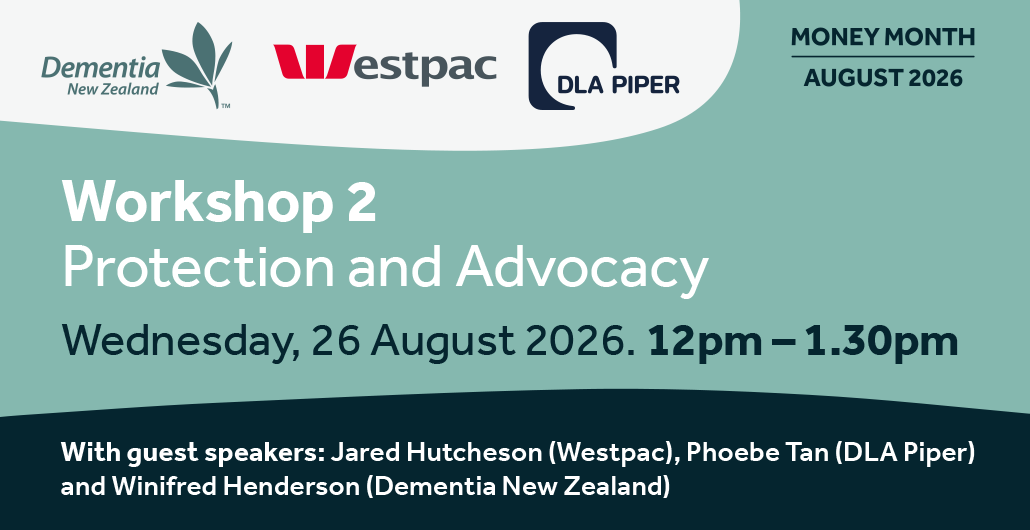
Protection and Advocacy
Recognising financial abuse, exploitation, coercive control, scams and technology-related risks — and where to seek help. Also useful if you own a business, professional practice or investment portfolio.
About our speakers
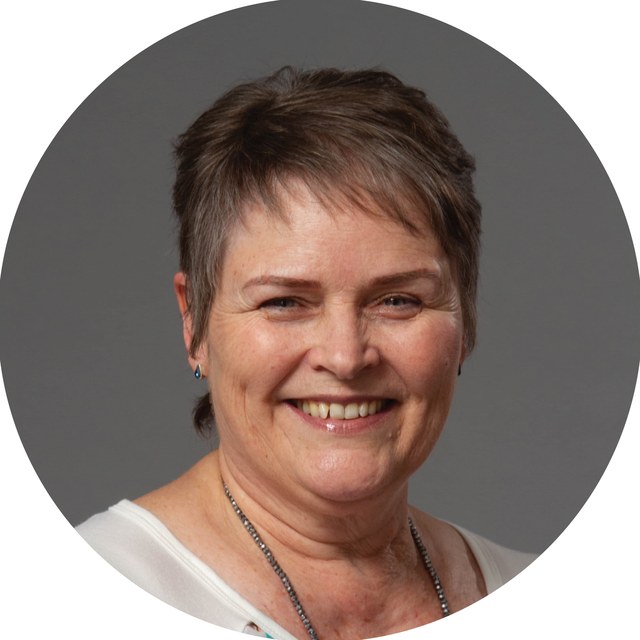
Winifred Henderson
Senior Educator, Dementia New Zealand
Winifred Henderson is Senior Educator for Dementia New Zealand, delivering education to communities, residential aged care staff and residents, and healthcare professionals. She delivers popular monthly online Dementia Talks. She holds a Master of Dementia with distinction and a postgraduate qualification in Psychology. Having supported her mother as primary care partner for eight years, she brings valuable lived experience. Winifred is passionate about empowering people living with dementia, supporting care partners, raising awareness, and reducing stigma.

Fiona Faithfull
Partner, McVeagh Fleming

Fiona Faithfull is a Partner at McVeagh Fleming with a strong background in property development and business law. Beyond her legal expertise, Fiona is passionate about supporting individuals and families navigating a dementia diagnosis. Inspired by her own experience caring for her mother, she combines her professional skills with empathy to help people prepare for the future. In collaboration with Dementia North (South Auckland service), Fiona offers a free service to assist those in difficult circumstances and discounted rates for those with a dementia diagnosis, helping them put essential documents in place, such as Wills and EPOAs.
Jared Hutcheson
Programme Manager, Financial Wellbeing, Westpac NZ

Jared Hutcheson is the Programme Manager of Financial Wellbeing at Westpac NZ Ltd, and is a fierce advocate for accessibility, inclusion, and financial empowerment. Through these avenues, you’ll find Jared running financial literacy workshops through the dedicated Managing Your Money programme, through to advising on and liaising with agencies on support for sectors that include the disability and dementia community, through to a wide and varied service provider sector.

Phoebe Tan
Finance team, DLA Piper

DLA Piper is a global commercial law firm with a strong commitment to pro bono and community engagement. In New Zealand, the firm works with charities, community groups and other stakeholders on initiatives focused on financial abuse, economic harm, consumer vulnerability and improving access to justice for vulnerable communities. Phoebe Tan, a member of DLA Piper’s finance team, joins this webinar to share practical insights on protecting and supporting vulnerable people, drawing on both the firm’s financial services expertise and its community-based work.
Who these workshops are for
These workshops may be useful for:
- People living with dementia
- Care partners and whānau
- Friends or family helping someone plan ahead
- People supporting someone with banking, bills, property or business interests
- Professionals working alongside people affected by dementia
You don’t need to have everything sorted before attending. These sessions are designed to help you understand what to consider and where to go next.
General information only. These workshops provide general information and links to services and resources. Dementia New Zealand does not provide legal or financial advice. Westpac, McVeagh Fleming and DLA Piper will provide information relevant to their areas of work, but the sessions are not a substitute for advice about your own circumstances. Please speak with a lawyer, financial adviser, accountant or another qualified professional before making legal or financial decisions.
Need dementia information or support?
Planning can raise questions about how dementia may affect daily life, communication, future decisions and whānau.
Dementia New Zealand Network services provide information, education and community-based support for people living with dementia, care partners and whānau.
We can help you understand dementia and connect with local support. We do not provide legal or financial advice.
Help us be there for every whānau
Dementia New Zealand provides free information, education and community support for people living with dementia | mate wareware and those who care for them. Your gift helps us be there when it’s needed.