Published 27 September 2025
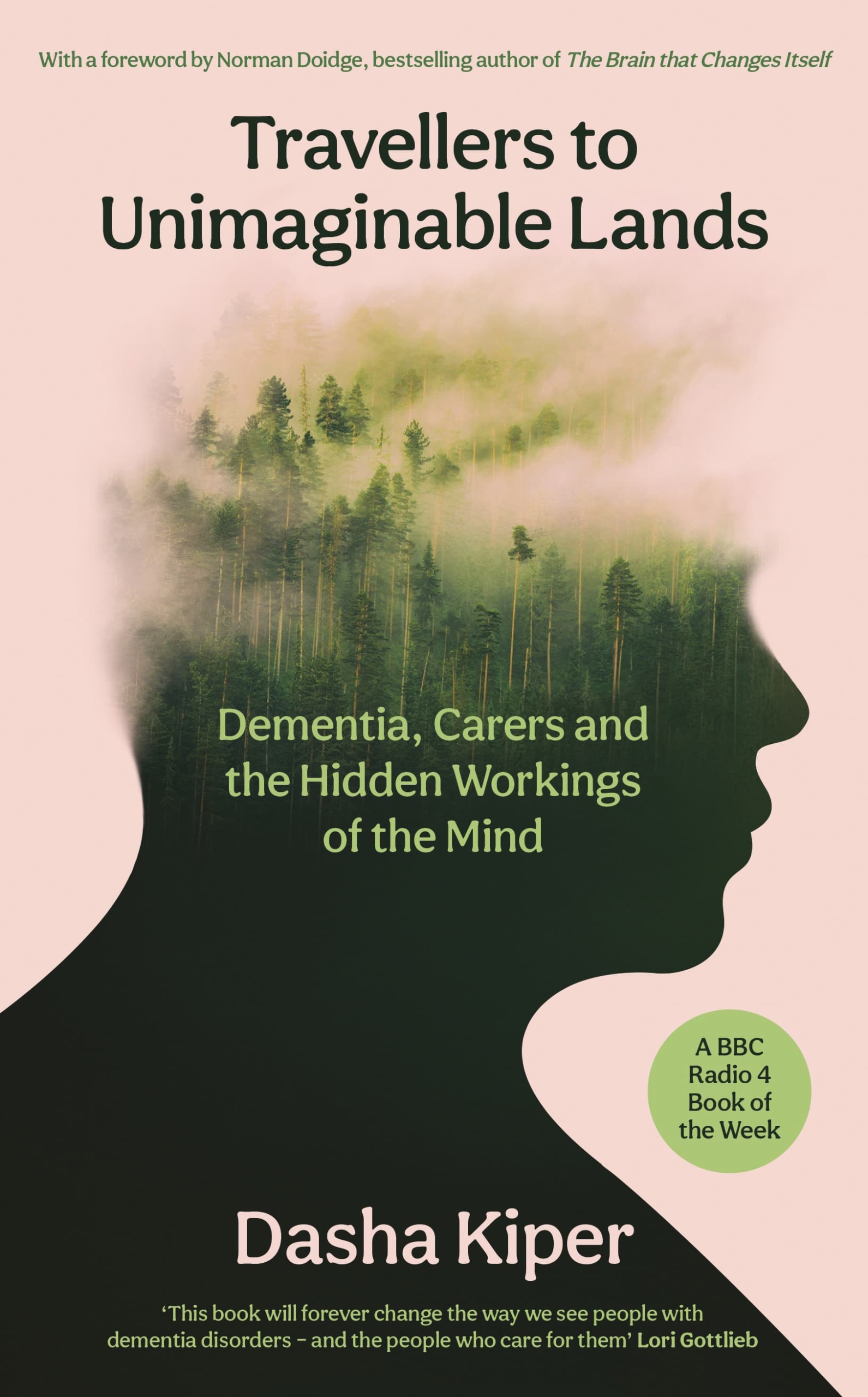
Book Review: Travellers to Unimaginable Lands by Dasha Kiper
By Janine Appleby, Dementia Waikato
Dasha Kiper’s Travellers to Unimaginable Lands is a profoundly insightful exploration of dementia caregiving, blending deeply personal narratives with scientific evidence to uncover the unique emotional and psychological challenges faced by caregivers. Rather than offering a step-by-step guide to caregiving, Kiper’s book delves into the complexities of human behaviour and the profound impact of dementia on both the affected and their caregivers.
As an experienced Occupational Therapist and Senior Dementia Advisor with three decades of expertise in brain injury, rehabilitation, older persons care, and dementia support, I found this book particularly captivating. It does not aim to provide practical strategies but instead illuminates the healthy brain’s unconscious biases, intuitive responses, and inherent limitations when confronted with the fractured reality of dementia. This perspective offers a deep understanding of the caregiving experience, validating caregivers’ feelings and helping them navigate the bewildering challenges they face.
Kiper’s background in clinical psychology specializing in dementia care lends the book authenticity and compassion. Her unique approach blends neuroscience, psychology, philosophy, and literature, creating a multidimensional exploration of the caregiving journey. The book’s structure revolves around poignant case studies, each shedding light on the struggles and triumphs of caregivers and dispelling the myth of the “perfect caregiver.” Through these narratives, Kiper highlights the underlying psychological mechanisms that drive caregivers’ reactions and emotions, opening the door to understanding and self-forgiveness.
One particularly heartbreaking example is the story of Elizabeth and Mitch, a couple whose shared rituals and intimacy have been shattered by Mitch’s dementia. Despite their once-loving relationship, Mitch now fails to recognize Elizabeth as his wife, dismissing their shared belongings and memories as fraudulent. He reacts to her presence with suspicion and rejection, even evicting her from their home or calling the police. Elizabeth struggles to reconcile these painful moments, reflecting on a life that leaves her feeling as though she is losing her sense of reality. This case study vividly portrays the emotional toll of dementia caregiving, illustrating how caregivers must grapple with feelings of grief, rejection, and isolation.
Kiper emphasizes that these reactions are not only natural but also deeply rooted in the way the healthy brain operates. Humans are hardwired to seek shared realities, build relationships based on continuity, and believe in the persistence of an essential self. When these assumptions are disrupted by dementia, caregivers find themselves bewildered and struggling to adapt to a new, unfamiliar reality. Kiper argues that this struggle is not a personal failing but a consequence of the healthy brain’s inherent limitations.
In addition to exploring the emotional landscape of caregiving, Travellers to Unimaginable Lands provides fascinating insights into the workings of the healthy brain by contrasting it with the cognitive breakdown caused by dementia. For readers, this perspective offers a deeper understanding of how the mind functions and how it creates a ripple effect with cognitive and mental dysfunction within its immediate environment when affected by dementia. Kiper’s articulate and empathetic writing ensures that even the most challenging aspects of dementia are explained with clarity and compassion, making this book a remarkable and thought-provoking read.
While the book’s primary purpose is to assist caregivers in better understanding and communicating with their loved ones, its insights extend beyond caregiving. The narratives explore existential dilemmas faced by families, such as feelings of betrayal, altered identities, and the fading connection with loved ones. These themes resonate deeply, offering readers a profound reflection on human relationships and the impact of cognitive decline.
However, the book is not without its limitations. It lacks practical advice for caregivers, offering few examples of strategies or tools that could help in challenging circumstances. Similarly, the concept of self-care—an essential aspect of effective caregiving—is largely absent from the text. While Kiper’s focus on understanding and empathy is invaluable, caregivers may find themselves wishing for more actionable guidance on managing the day-to-day realities of caregiving.
Additionally, the book is tailored primarily to family caregivers, often overlooking the role of professional support. Most family caregivers have little or no experience or training in supporting people with dementia and are often overwhelmed by feelings of guilt. These emotions can lead to ill-advised decisions or efforts that unintentionally undermine both the caregiver and the person being cared for. Kiper provides limited guidance on seeking support from competent health professionals, which could be critical in preventing caregiver burnout and enhancing the quality of care.
Despite these drawbacks, Travellers to Unimaginable Lands remains an invaluable resource. By examining the psychological impact of caregiving and validating caregivers’ experiences, Kiper offers comfort and understanding to those navigating the complex and deeply human journey of dementia caregiving. Her compassionate approach helps caregivers recognize that their feelings—anger, frustration, disbelief, isolation, immense sadness—are not only understandable but also a function of their brain’s operations. This perspective provides a sense of relief and self-forgiveness, easing the emotional burden of caregiving.
Kiper’s book is a testament to the resilience of caregivers and the profound humanity inherent in their role. It encourages readers to approach caregiving with empathy, both for their loved ones and for themselves, and to accept that perfection is not achievable. Instead, Travellers to Unimaginable Lands invites caregivers to embrace the challenges and complexities of their journey, finding strength in the shared experience of others.
For anyone—be it family members, therapists, or professionals—seeking to better understand the emotional and psychological nuances of caregiving, Travellers to Unimaginable Lands is a beacon of insight and compassion. Its unique focus on the “why and what” of caregiving, rather than the “how-to,” offers a deeper and more meaningful exploration of human behaviour, making it an essential read for those involved in dementia care.