Published 1 May 2026
‘Age-appropriate’ support in Young Onset Dementia: the difference between coping and crisis
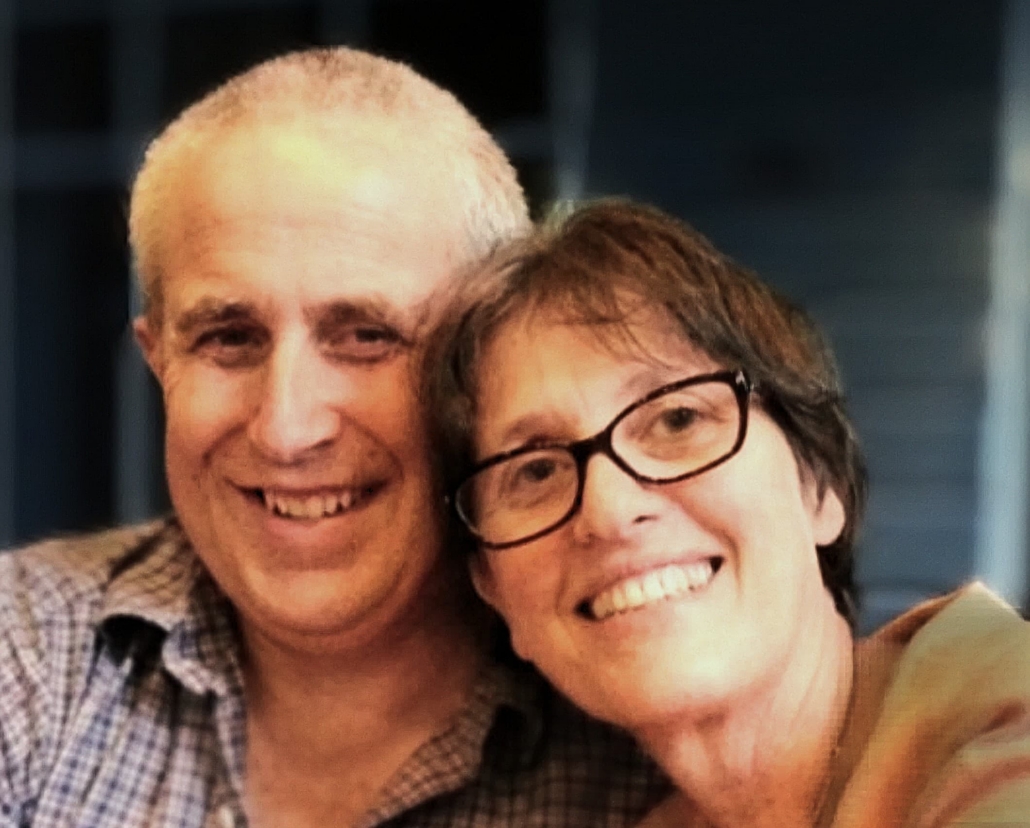
By Paul Singh, husband of Jacki, who lives with young onset dementia, and an independent Young-onset Dementia advocate.
Most people still hear the word ‘dementia’ and picture old age. But for thousands of New Zealanders, dementia begins earlier, before 65. That is young onset dementia (YOD), and it arrives right in the middle of life.
It arrived for my wife, Jacki, when she was diagnosed at 58. The first changes showed up years earlier. By the time a family has a name for what is happening, they may already have lost work, income, friendships, and options.
That is why age-appropriate and life-stage-appropriate support is not a ‘nice to have’. It is the difference between coping and crisis.
In the YOD community, I keep hearing the same pattern. The details differ, but the themes repeat: lost income, patchy support, and a constant sense of being redirected. Before there is even a diagnosis, families can be left navigating multiple parts of the health and social support systems, trying to work out what help might exist and what they are entitled to.
Clinical pathways for YOD diagnosis do exist, but in New Zealand, they are largely regional, and they are not always applied consistently or followed in the same way everywhere. During that waiting period, families may also be trying to work out what social support they can access, what is means-tested or reduced through abatements, and how to keep going while income is already under pressure.
New Zealand research suggests people wait about 3.6 years from first symptoms to a formal YOD diagnosis, around 1.6 years longer than older-onset dementia. That is years of retelling the same story and hoping to find a ‘safety net’ that keeps crises at bay. Too often, the first decisive response comes only after an emergency, and the support offered assumes you are decades older, with assumptions that do not fit working-age life.
When dementia arrives in your thirties, forties, fifties, or early sixties, the life stage context changes. Many people are still working. Some are parenting or supporting young adult children. Many are paying rent or a mortgage. Caring for grandchildren may be part of whānau life. Whānau roles shift quickly. Partners become carers while still trying to keep the household afloat. Adult children of the person with YOD may be caring for their own children, while caring for a parent with YOD. Carer burnout is not a personal failure. It is a predictable outcome when support is late, unsuitable, or unavailable.
So what do we mean by ‘age-appropriate, life stage appropriate’ support and services?
It means support that fits a working-age household, not a retirement-age template. It means recognising that YOD is not simply older-onset dementia happening earlier. It often presents differently, and it progresses while people are still expected to earn, parent, and provide leadership at work, in whānau, and in their communities, creating different pressures on identity, relationships, work, and income.
Age-appropriate support can be practical and very specific:
- A clearer and faster pathway to diagnosis, with consistent expectations across regions
- An automatic post-diagnosis offer (not ‘come back when it is worse’), including a key worker or navigator for the first months
- Respite and day support designed for working age people, with flexible hours and activities that respect adult identity
- Support for whānau that acknowledges the financial shock and the long haul, including help to plan and coordinate across health and social supports
- Care options later on that do not force younger people into environments built for frail older age, because ‘somewhere’ is not the same as ‘appropriate’
None of this requires reinventing everything. It requires a national expectation, backed by funding, that people with YOD and their whānau will receive age-appropriate support wherever they live. Without that, crisis stays the default.
This is why the Dementia Mate Wareware Action Plan 2026–2031 matters. If it is to be implemented and funded, it needs durable bipartisan, cross-party support so it survives election cycles.
For YOD, the minimum expectation should be explicit: age-appropriate support and services, nationally consistent, and built around life-stage needs, not old-age-based assumptions. Without that, families will keep being treated as an ‘edge case’, and they will keep paying the price in lost income, lost health, and lost time.
The bottom line is simple. YOD arrives in the middle of life. Our support systems should meet people where they are, not where policy categories assume they ought to be.
Local YOD groups near you
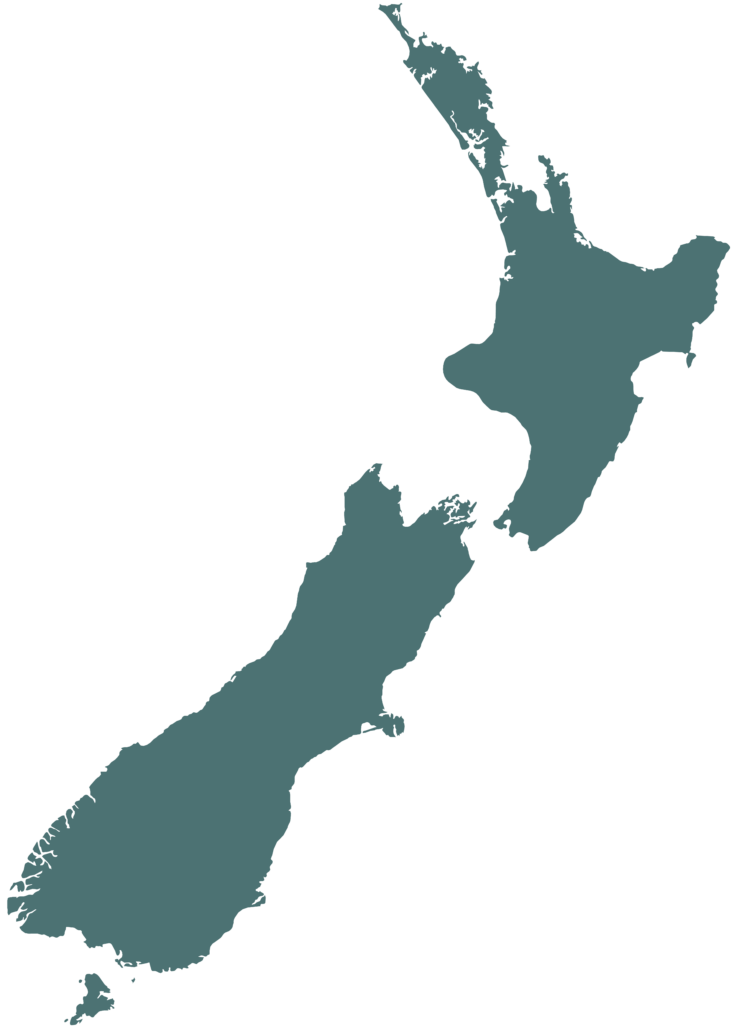
Our Affiliate teams run dedicated young onset dementia groups in Auckland, Waikato, Hawke’s Bay, Wellington and Christchurch. These groups are safe, welcoming places where people can share experiences, enjoy activities together, and find personal connection through laughter and support.
Auckland:
Every Wednesday, 10am – 3pm
For more information, phone 0800 433 636
Waikato:
Every second Friday.
For more information, phone 0800 433 636
Hawke’s Bay:
On the third Wednesday of the month.
For more information, contact Katrina on 022 102 8211
Wellington:
First Wednesday of each month, 11am – 2pm
Second and fourth Wednesday of each month, 10am – 12pm
For more information, contact Mai
Christchurch:
Every Tuesday, 9:30 – 1:30pm.
For more information, contact Erica or Diane
Auckland:
Every Wednesday, 10am – 3pm
For more information, phone 0800 433 636
Waikato:
Every second Friday.
For more information, phone 0800 433 636
Hawke’s Bay:
On the third Wednesday of the month.
For more information, contact Katrina on 022 102 8211
Wellington:
First Wednesday of each month, 11am – 2pm
Second and fourth Wednesday of each month, 10am – 12pm
For more information, contact Mai