Listen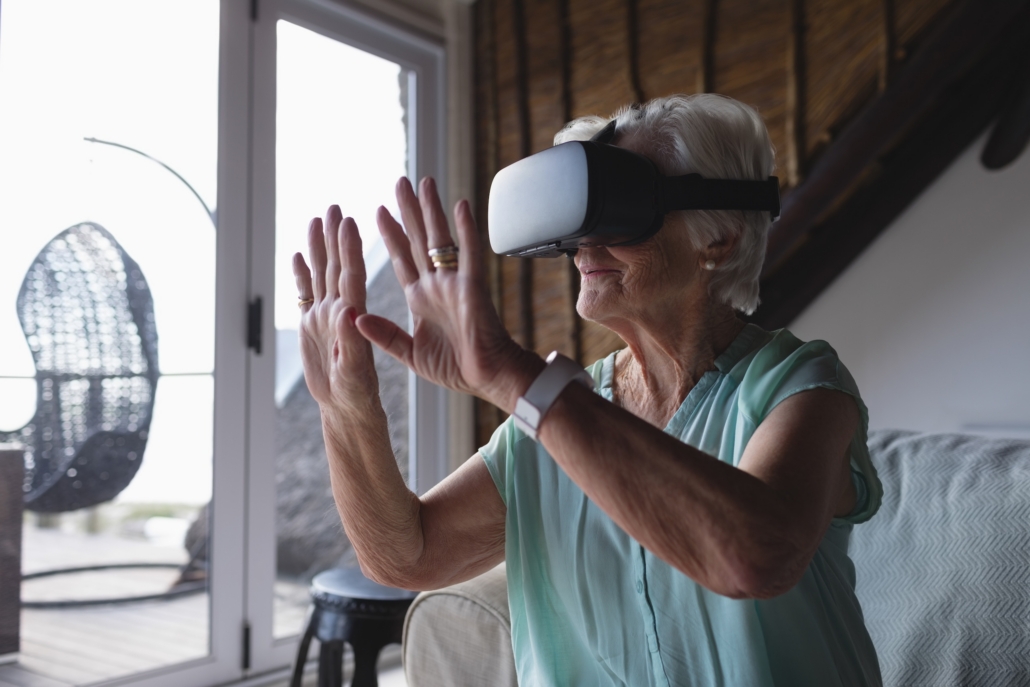
Exploring the role of Virtual Reality in Dementia Support
Picture standing on a beach you haven’t visited in decades. You turn your head and look around, seeing the sparkling water stretching out before you, and notice familiar, comforting details.
For some people living with dementia | mate wareware, experiences like this are being rediscovered through using virtual reality (VR).
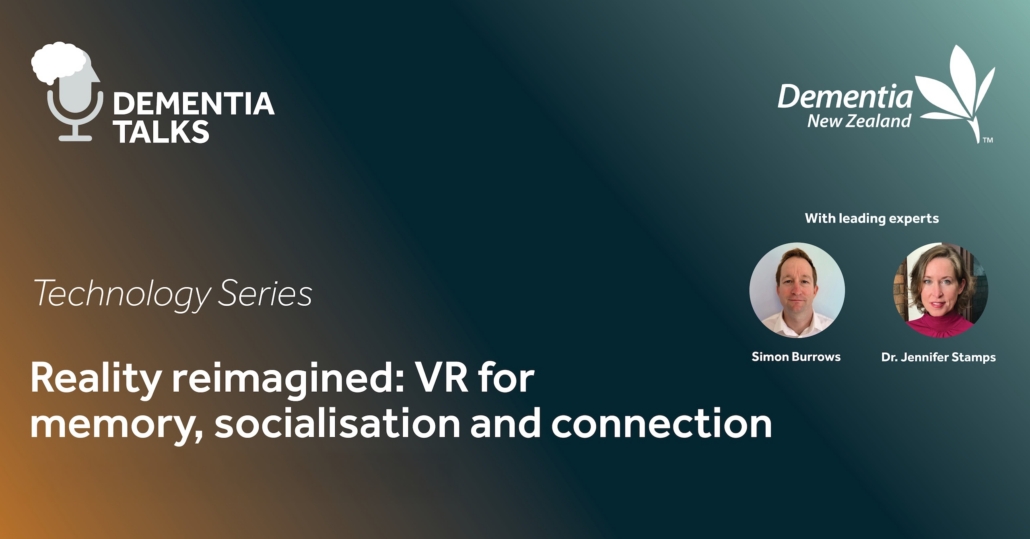
In a recent Dementia Talks Tech Series session, experts Simon Burrows and Dr Jennifer Stamps discussed how VR may support people living with dementia by encouraging memory stimulation, social interaction, and shared experiences.
Dementia can make the world feel smaller. Places that once held special meaning may become difficult to reach, and everyday social activities can diminish over time. VR offers another way to reconnect with those meaningful spaces, not as a replacement, but as an additional support.
With a VR headset, a person is immersed in a 360‑degree environment that mirrors a familiar space. They can look around a familiar neighbourhood, revisit a favourite holiday spot, or explore natural settings that feel calming and recognisable.
VR sessions are usually shared with a care partner, whānau member, or support worker. Being immersed in a familiar scene can naturally spark memories, offering a gentle starting point for conversation, what someone remembers, what stands out to them, or how the environment makes them feel. These moments can help ease feelings of withdrawal and loneliness, supporting connection in a way that feels safe and engaging.
Early use of VR in care settings has also shown promise. Short sessions have been linked with increased curiosity, engagement, and enjoyment. For some participants, revisiting meaningful environments brings moments of recognition and a lift in mood.
VR isn’t a treatment for dementia, and it isn’t the right fit for everyone. However, as the technology becomes more accessible, it may offer another option for supporting familiar memories, building social connection, and creating shared experiences for people living with dementia and those who care for them.
You can watch the full VR session with Simon Burrows and Dr Jennifer Stamps to learn more about how VR is being used in dementia support, and what whānau and care providers may want to consider before giving it a try.
Watch on-demand
Join us for an insightful webinar exploring how virtual reality (VR) is improving the lives of people living with dementia | mate wareware. Discover how immersive experiences can assist with memory recall, promote cognitive stimulation, reduce anxiety and enhance overall well-being.
Featuring expert speakers Simon Burrows and Dr. Jennifer Stamps (Rendever VR), hosted by Winifred Henderson (Senior Educator, Dementia New Zealand).
During this online webinar, we will cover:
- How can VR be helpful for people living with dementia and their caregivers?
- What are some real examples of VR in practice in New Zealand?
- What does the research say about VR in dementia care?
- What are the key considerations when using VR?
Whether you’re a caregiver, healthcare professional, or simply curious about emerging technologies in elder care, this webinar offers valuable perspectives and practical takeaways.