Published 2 May 2026
I went places I never expected to go
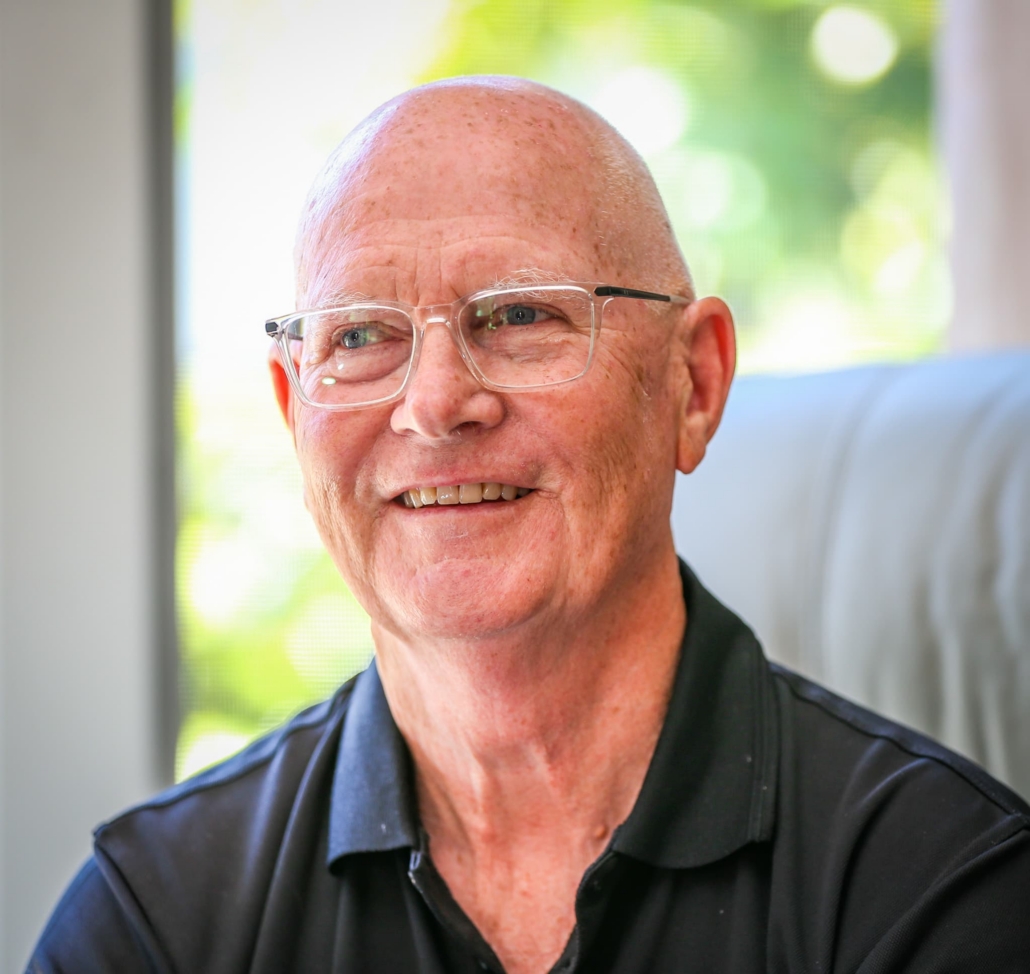
Alister Robertson QSM
I didn’t expect dementia to take me anywhere new.
Like most people, I assumed a diagnosis meant things would slowly narrow – fewer choices, fewer opportunities, a smaller world. What surprised me was that the opposite happened. Over time, I found myself doing things I would never have imagined, not because I planned to, but because life shifted direction.
Before my diagnosis, I was practical. I worked in banking. I ran businesses. I wasn’t someone who stood up in front of rooms full of people, and I certainly wasn’t someone who spoke publicly about my personal life. If you’d told me then that I’d one day be speaking to ministers, sitting in disability forums, or playing drums with a group of people living with dementia, I would have said that didn’t sound like me.
Yet that’s what happened.
When I was diagnosed, the advice I was given was straightforward: keep doing the things you can still do and enjoy, reduce stress as much as possible, and stay socially connected. At the time, I didn’t realise how much that advice would shape the years that followed.
Reducing stress meant stepping back from parts of life that were no longer a good fit for me. My role in our business changed, and that happened earlier than it otherwise might have. Staying socially connected meant saying yes to things I might once have avoided, even when I wasn’t sure where they would lead.
That’s how I became involved in peer support groups and, later, in advocacy work. At first, it wasn’t about speaking out or leading anything. It was about listening – sitting with other people living with dementia and learning from their experiences. I began to see how much understanding already existed among people with lived experience.
Gradually, I found myself doing things I wouldn’t have attempted before. Speaking to groups. Taking part in discussions where my perspective was useful. Dementia didn’t suddenly make me confident, but it did remove some of the internal barriers I’d carried for years.
One of the most unexpected parts of this journey has been learning through activity. Through Dementia Hawkes Bay, we began drumming sessions as part of a group programme. I wasn’t musical, and I didn’t think I had rhythm. Drumming turned out to be challenging – keeping time, coordinating hands, listening to others, and carrying on even when it didn’t quite come together.
It didn’t really matter whether we got it right. Some people could play but not sing. Others could sing but couldn’t keep the beat. We worked around that.
Music uses different parts of the brain, and you notice it. There are moments when words are hard to find, but rhythm still makes sense. Moments when concentration slips, but the beat carries you through. Ability doesn’t disappear all at once – it just changes.
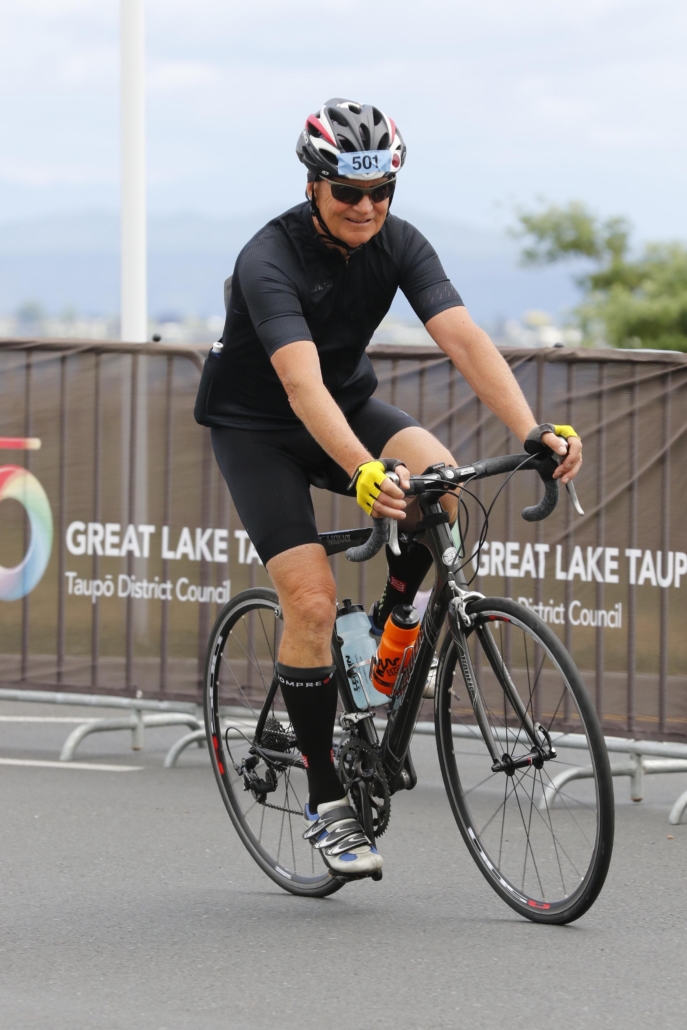
The same has been true in other parts of my life. I still cycle regularly. I take part in community disability groups, raising practical issues like transport access and mobility. I go to programmes where we play pool or snooker – not because it’s therapy, but because it’s normal. It’s social. It’s familiar.
I’ve also found myself in conversations I never expected to have – with organisations, with officials, and with people who want to better understand what it’s like to live with dementia. I don’t speak as an expert. I speak from experience.
A diagnosis doesn’t end your ability to contribute. It changes how you do it. Some things fall away, but others appear in their place – things you might not have chosen, but are glad you discovered.
I didn’t plan this path. I didn’t expect it. But dementia led me to places I never thought I’d go, and along the way, life continued to surprise me.