Carol & Elizabeth: Seeing the difference
Published 22 May 2026
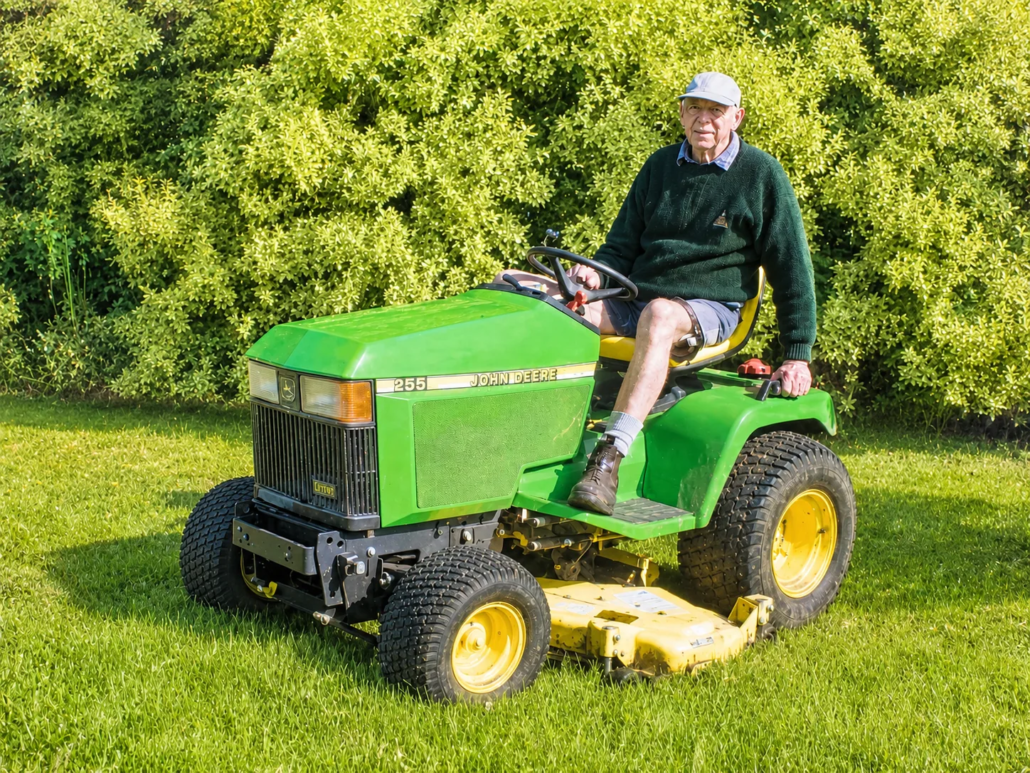
When Dennis began feeling his way from chair to chair, Carol knew something had changed.
“He couldn’t pick up his cup of tea anymore,” she explains. “He couldn’t use a knife and fork.”
Dennis lives with Alzheimer’s disease. Over time, Carol had learnt to recognise the changes dementia could bring. But this felt different.
“He was functioning normally, except for his eyesight,” she says.
An appointment with the optometrist led to a referral to Waikato Hospital, where Dennis was diagnosed with cataracts in both eyes. Because of his dementia – Dennis finds it difficult to stay still – he had surgery under general anaesthetic, with both eyes treated at the same time.
Carol noticed changes immediately.
When she arrived at the hospital the next morning, Dennis looked up at her and smiled.
“He said, ‘I haven’t seen you for a while.’”
Back at home, he was able to pick up his cup again and eat independently. He stopped feeling his way down the hallway. A year and a half later, Carol still sees the difference it made.
“Just because he’s got dementia, it doesn’t mean he’s got to sit in a chair for the rest of his life.”
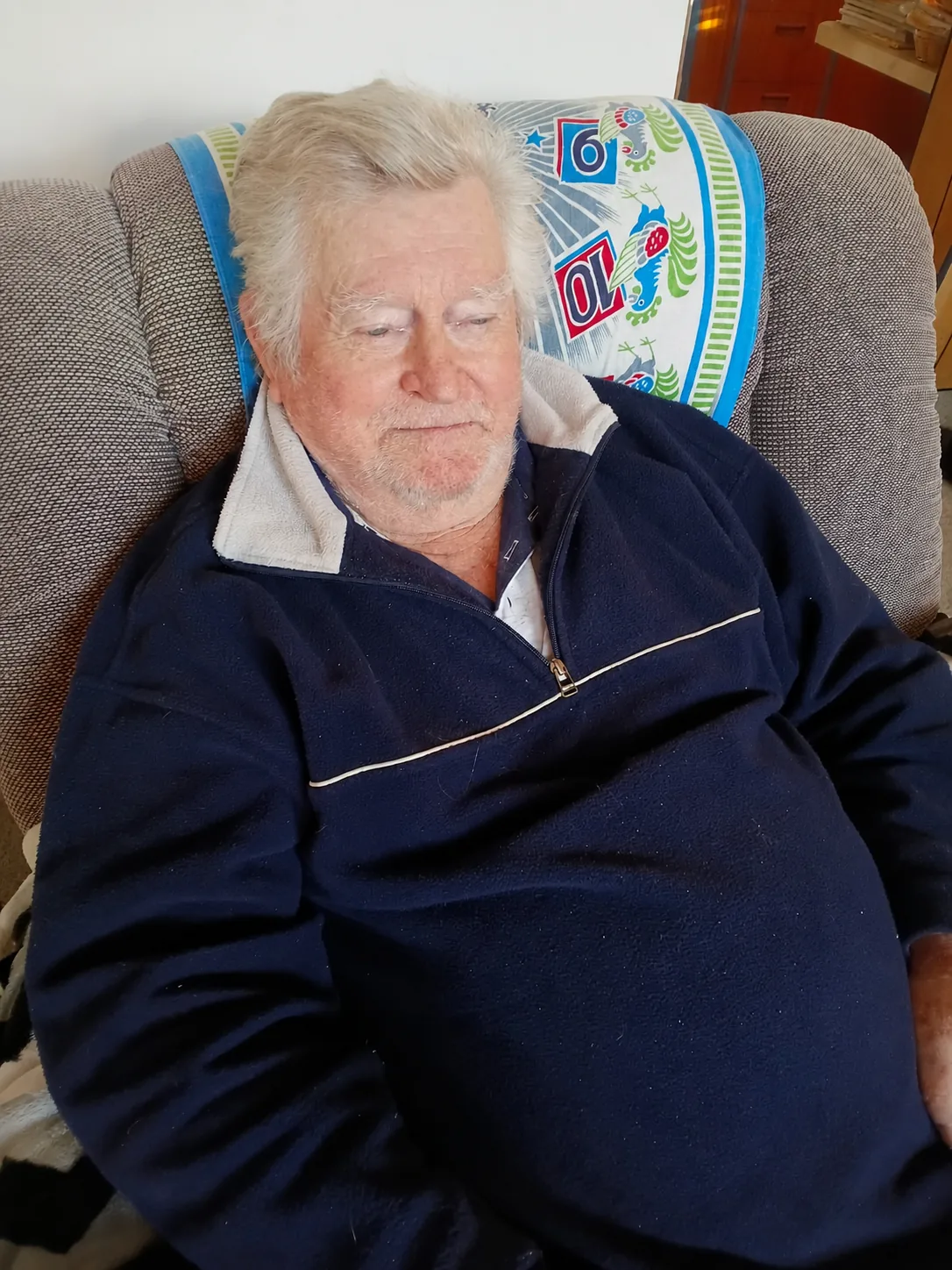
For Elizabeth, the signs were different.
Her husband Jim had started falling more often. At first, she thought it might be his slippers or decreasing mobility. Jim, who lives with dementia and osteoarthritis, was also finding it harder to read the newspaper he had always started the day with.
“It was his spatial perception,” Elizabeth says. “He just wasn’t seeing properly.”
A routine optometrist appointment identified cataracts, and Jim later had surgery on first one eye, then the other under local anaesthetic.
Afterwards, Elizabeth noticed he was steadier on his feet and, more importantly, the things that used to bring him joy were back again.
Jim could read the Herald more easily again, and the subtitles on television. He could sit and look out into the garden, watching birds move through the fruit trees and people walking past the house.
“It’s made him feel connected again,” Elizabeth says.
Jim agrees.
“I can read the paper easier,” he says with a smile.
For both couples, the experience reinforced the importance of continuing regular health checks after a dementia diagnosis.
Dementia doesn’t stop other health conditions from developing, and some changes people notice may not be caused by dementia alone. Vision, hearing, mobility and general health can all affect how someone experiences the world around them.
Every situation is different, and treatment decisions should always be made in consultation with health professionals and whānau. Carol hopes other care partners will continue to ask questions when something doesn’t seem right.
“Dennis has as much right as anybody else,” she says.
And for Jim, being able to clearly see the garden and the birds, and to enjoy the morning paper again, has brought back familiar parts of the day that he and Elizabeth had both missed.