Published 4 March 2026
A Challenge Worth Taking On
By Yvonne Reid, care partner
Kia ora,
Like many care partners, I’ve found that once dementia becomes part of your life, your own world can become very small.
My husband is living with dementia. For a long time, I felt I couldn’t leave him alone for even an hour in case he wandered or something went wrong. Without reliable support nearby, I became, unintentionally, a full-time caregiver. I found myself mostly at home, with very little freedom or respite.
In our small town, it has been difficult to find suitable carer support – and even harder to find people confident in supporting someone living with dementia. I was fortunate to find two good carers, but both had to leave within weeks due to their own circumstances. It was discouraging, and I began to feel quite desperate.
My husband attends an activities programme at a nearby rest home one day a week, which gives me a few hours’ break. Even then, he once managed to slip away unnoticed. That shook my confidence.
I began researching other options to help keep him safe.
One service I looked into offered wearable tracking devices, monitored by Land Search and Rescue or Police. While that may work well for some families, it felt like a last resort to me – something used only once a person had already gone missing. I also knew my husband was unlikely to consistently wear a plastic armband or tag.
Eventually, I decided to try a different approach.
I purchased a Samsung Galaxy Watch 7 (costing $568), which links to my Samsung phone. The watch has its own SIM card and phone number (at $20 per month), allowing me to track its location and call my husband directly if needed. He can also call me.
For us, this has provided reassurance and greater security. It doesn’t work in every location, and I’ve needed some technical help from my son-in-law to set it up properly. It also needs charging every few days – and it’s not always easy persuading my husband to take it off.
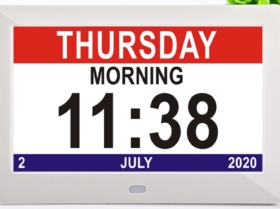
But the unexpected benefit is that he loves wearing it! He can clearly see the time, day and date again, which gives him confidence and independence.
Because I had been unable to use much of my allocated Carer Support funding (due to the shortage of available carers), I contacted the funding team to ask whether I could apply for reimbursement for the watch. I was told applications are considered case-by-case and encouraged to submit a letter, invoice, and Carer Support form.

Completing the paperwork was a challenge – particularly working out how to translate this into “carer support days” – but I persisted.
A few weeks later, I received confirmation that the full cost of the watch had been reimbursed.
The financial help was appreciated, but more than that, I felt heard. The device supports my husband’s dignity and safety, and it gives me greater peace of mind. That recognition meant a great deal.
If I can offer one piece of advice to other care partners, it is this: don’t give up. Keep advocating for the person you care for – and for yourself as well.
Arohanui,
Yvonne Reid
A note about the Carer Support Subsidy
Yvonne’s experience reflects one family’s journey. Funding decisions are made on a case-by-case basis and are not guaranteed.
The Carer Support Subsidy is allocated following a Needs Assessment and is intended to give full-time carers the opportunity to take a break. In some situations, it may be possible to claim reimbursement for goods or equipment that clearly support respite, but applications must meet Health New Zealand | Te Whatu Ora purchasing guidelines and are assessed individually
If you would like to explore whether Carer Support Subsidy may apply in your circumstances, please contact:
- Your GP to request a Needs Assessment
- Your local Needs Assessment and Service Coordination (NASC) team
Up-to-date information, eligibility details and claim forms are available on the Health New Zealand website:
- Carer Support Subsidy – Health New Zealand | Te Whatu Ora
You may also find our online Dementia Talk: Needs Assessment – Everything You Wanted and Ever Needed to Know helpful. This session explains how Needs Assessments work, what Carer Support is, and how to prepare for the process.
Because funding rules and regional practices can change, we recommend speaking directly with NASC or Health New Zealand for advice specific to your situation.