Published 6 February 2026
The Words are Still There
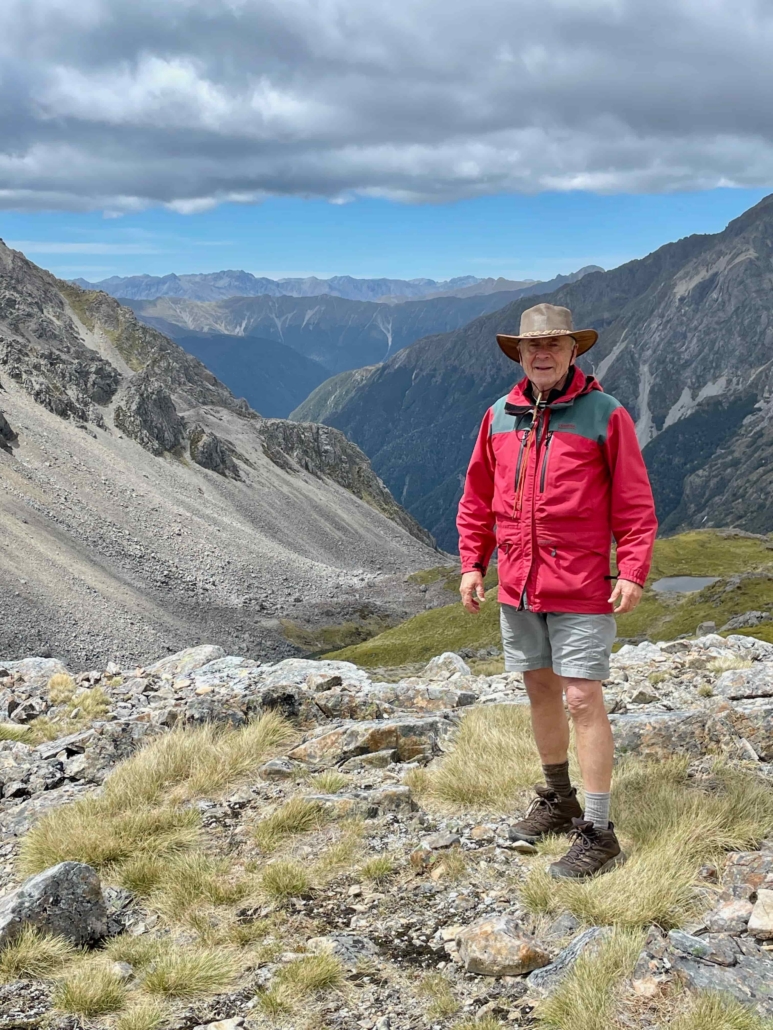
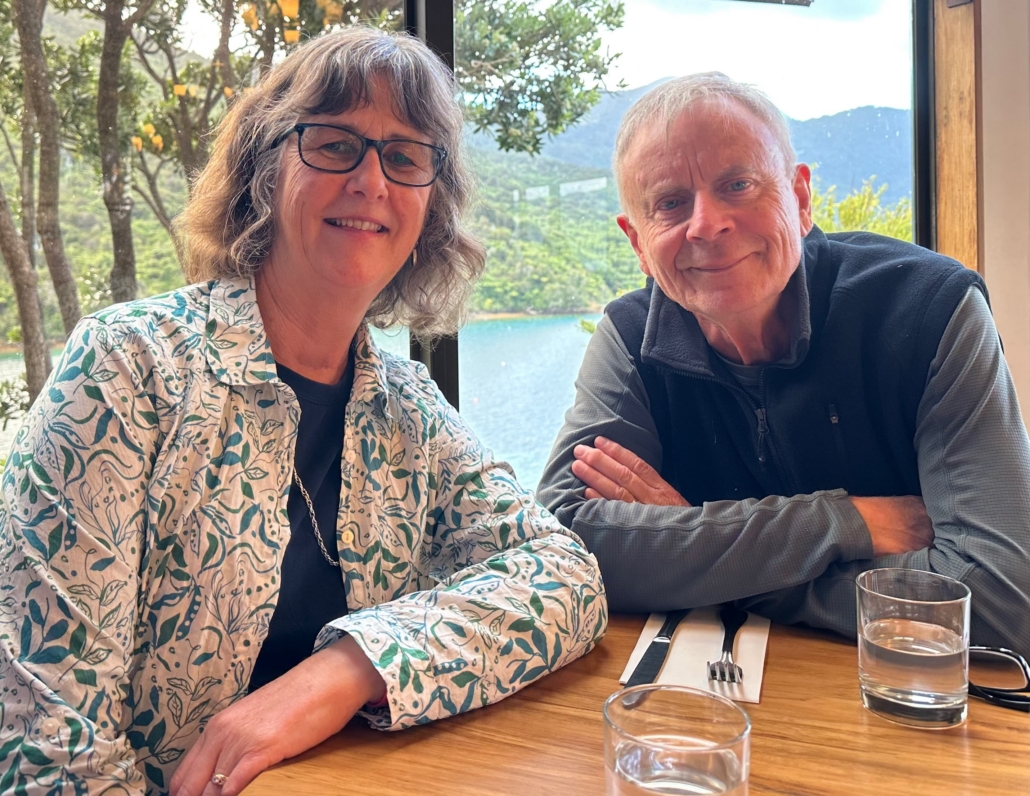
Alex Duncan talks about his Alzheimer’s disease diagnosis exactly as his friends and peers would expect – with directness and without any fuss.
For much of his career, Alex made a living by being clear and thoughtful – shaping complex ideas, assessing risks, and helping organisations make difficult decisions. For 12 years, he held various senior roles in corporate finance and strategy at Fonterra. During that period, he initiated the process that led to the successful launch of a global dairy auction run by Fonterra. Alex was also key to the rollout of Fonterra’s innovative equity issue, listed in New Zealand and Australia.
Before that, Alex led Arthur Andersen’s Corporate Finance practice in New Zealand. Earlier, he advised the New Zealand Treasury on tax and public policy during a decade of major economic reform starting in the mid-1980s. He also helped implement tax reform in two Pacific Island nations and contributed to the introduction of transferable property rights in the fishing industry through the Quota Management System.
It’s a history of high responsibility and sharp thinking – but, as Alex and his wife Rosemary point out, dementia isn’t selective. It doesn’t ‘pick’ a type of person or a kind of life.
When the words stalled
For Alex, the most noticeable change has been in language.
“The words are there,” he says. “You know they’re there – but they’re elusive.”
He describes it as the opposite of how he used to operate. In the past, he could write quickly and confidently. He could respond in the moment, take in what others were saying, and shape a reply on the spot. Now, finding the right word can take time, and conversations sometimes move faster than he can comfortably match.
“It takes me a long time to find the words that I’m actually wanting to get,” he says. “I can still do it, with time. But it’s not like it was, which can be frustrating – so I’m more selective about when and how I speak.”
Rosemary has noticed it too, particularly in everyday interactions.
“It’s a learning curve for both of us,” she says. “Alex has everything there – but it’s getting the right words out. So, I’m learning when to fill in the gaps.”
Among friends, it has become a familiar pattern: moments of searching, a few guesses, and then the sentence (usually) arrives. They’ve found ways to keep it light without minimising what’s happening.
“We have a few laughs about it,” Rosemary says. “But it’s still an adjustment.”
Hearing it from other people
Like many couples, neither of them immediately thought there was a medical reason for what was happening to Alex.
Rosemary describes a long stretch in which she questioned herself, whether she was repeating things unnecessarily or not explaining things clearly.
“I was actually feeling that I was losing my connection with Alex,” she says. “I was thinking, ‘I’ve just said that.’ And then I thought: Is it me? Did I really say it, or not?”
Two separate comments from people who knew Alex well helped focus the question. The first was from Alex’s groomsman, who hadn’t seen him for many years while living overseas. He knew Alex very well from the past and, from his medical training, saw that something wasn’t quite right. A second comment, a few weeks later, came after lunch with a close friend who had worked as a GP and in palliative care. After that, Rosemary and Alex decided to see their GP.
A decision to be open
When Alex received his diagnosis at Auckland’s Waitakere Hospital, Rosemary says his instinct was to be immediately open. “Alex was clear from the outset that he wanted to be open about his diagnosis.”
He messaged friends and family, sent group emails to people in his wider circles, and then went tramping for 10 days on a long-planned trip.
“It was good timing, really,” explains Rosemary. “He sent off his various missives, and then he was gone. It allowed both of us time to sit with his diagnosis, to get our heads around it.
“One thing I’ve learned since then is that you can’t fight this thing; you just adapt and make the most of the time you have.”
That openness is also why Alex and Rosemary are willing to share their story. They’ve watched other families’ stories, including on TVNZ’s The Restaurant That Makes Mistakes, and found them helpful. Not because every detail matched their own life, but because they could see parts of themselves in what they saw.
“It helped watching the series,” Rosemary says. “We can relate to so many aspects of those people’s lives and what they’re experiencing.”
What still works
Alex is careful not to describe his life as shrinking to nothing. Some activities are still part of his life and remain important.
Music is one of them. Alex can still sit down and play the piano without the same interruptions that impact his speech.
“I don’t have to stop and think to do that,” he says. “I can do it – and that’s important to me.”
He’s also adapted how he takes in information. For most of his life, Alex has been an avid reader, especially of history and politics.
“I can’t read like I used to, so audiobooks have become perfect for me,” says Alex.
Rosemary smiles. “We complement each other,” she says. “He has an amazing memory for historical facts and figures. I’m the more practical one – I know how things work, how and when bills need to be paid.”
The couple have made other small changes and practical adjustments that keep life manageable, instead of pretending nothing has changed.
Planning ahead
One of the biggest decisions Alex and Rosemary have made is about where they live and how close they are to their family.
They currently live on a seaside property in West Auckland, around 45 minutes from town. Their daughters and their families are centrally based, and the family has been talking for some time about how to make support easier as needs change.
They’ve decided to build a granny flat in the double garage at one daughter’s home, close to the rest of the family. It’s a way of being closer to everyday life – and to grandchildren – without rushing to sell their home right away.
“It’s been a process of talking that through with each other and our family,” Rosemary says. “If it’s a long or busy day, we then have the option of staying in town – it’s also a way we can plan for the future.”
Alex sees it similarly. It’s a shift, not an ending.
What Alex wants other people to know
Alex wants people to understand that while a diagnosis changes some things and demands adjustments, the essence of who they are as a person remains. A diagnosis doesn’t have to diminish someone’s spirit or connection with others.
As Alex and Rosemary have learned, the people around you make a difference. Friends who slow down, family who stay close, and communities that don’t look away all help. Making practical changes early, while you still have choices, is important.
And perhaps most of all, being able to speak about dementia without fear – in the same way you’d talk about any other serious diagnosis: honestly, and with support.